7 Signs You're Overtraining (and What to Do About It)

Co-Founder of Cora (YC W24). AI and robotics researcher with 500+ citations from Google Brain and UC Berkeley.
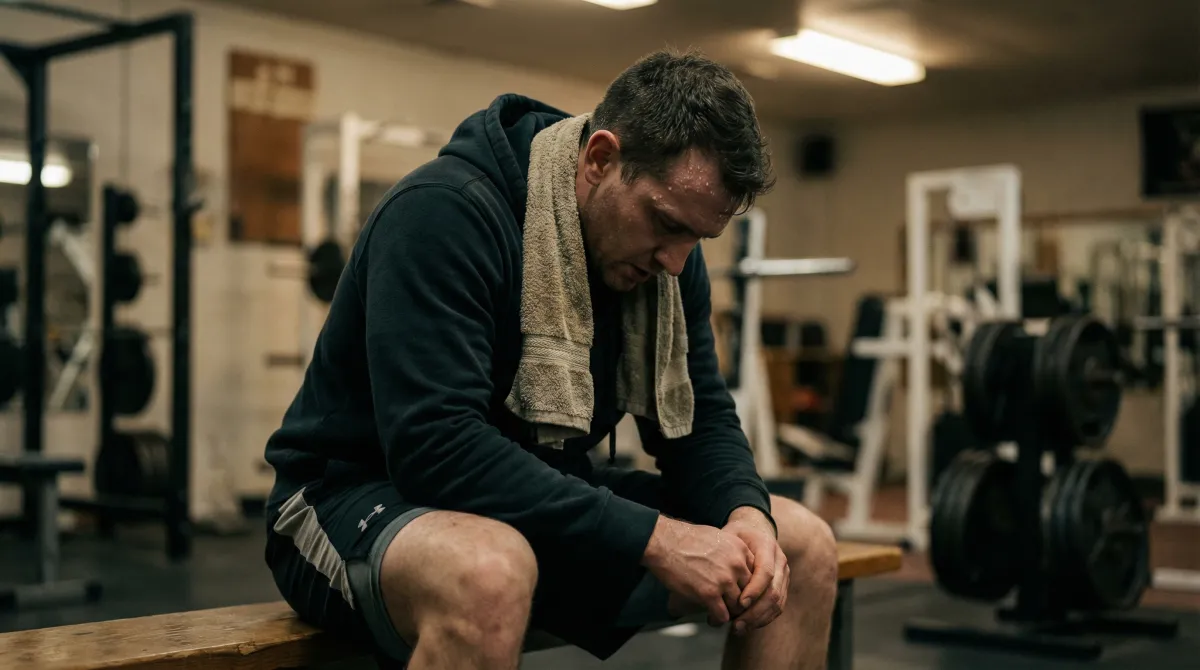
Overtraining syndrome occurs when training stress consistently exceeds recovery capacity over weeks or months, leading to persistent performance decline, chronic fatigue, and increased injury risk. The most reliable early warning signs are a sustained elevation in resting heart rate (5-10 BPM above baseline for 7+ days), worsening heart rate recovery after exercise, declining sleep quality, and performance drops at normal effort levels. According to the European College of Sport Science, non-functional overreaching affects an estimated 20-30% of endurance athletes at some point in their career. The critical distinction is that one bad workout is normal fatigue, while a cluster of these signs persisting for 7-10 days or more signals genuine recovery debt that requires immediate training load reduction.
Hard training should make you fitter, not chronically exhausted. If your workouts feel harder at the same pace, your motivation is dropping, and your recovery metrics are trending the wrong way, you may be under-recovered or drifting into overtraining territory.
What is overtraining and how does it develop?
Overtraining develops on a spectrum. First comes functional overreaching: short-term fatigue from a hard training block that actually improves fitness once you recover. This is a normal and productive part of training. The problem begins when recovery never catches up to the training stress being applied.
Non-functional overreaching is the next stage, where performance declines and takes weeks rather than days to recover. True overtraining syndrome (OTS) is the extreme end, potentially requiring months of reduced training. Most recreational athletes experience non-functional overreaching rather than full OTS, but the warning signs are the same, and catching them early prevents the slide from recoverable fatigue to serious setback.
What are the 7 signs of overtraining?
- Performance drops at normal effort. Easy runs feel hard and your output falls despite trying just as hard. This is the most objective sign: if you are running slower or lifting less at the same perceived effort, something is wrong.
- Resting heart rate trends upward. A sustained increase of 5+ BPM above your baseline over several days can indicate accumulated stress. Check your trend in our resting heart rate evaluator.
- Heart rate recovery worsens. If your heart rate does not drop as quickly after effort, recovery capacity is compromised. A healthy heart rate recovery is a drop of 20+ BPM in the first minute post-exercise. Test it with our heart rate recovery tool.
- Sleep quality declines. Trouble falling asleep, more nighttime wake-ups, or waking up unrefreshed are common red flags. Paradoxically, overtraining often causes insomnia despite physical exhaustion.
- Persistent soreness and heavy legs. Mild soreness 24-48 hours after training is normal (DOMS). Day-after-day heaviness that does not improve with rest is a warning sign of insufficient recovery between sessions.
- Mood and motivation shift. Irritability, low drive, and dreading training often appear before injury. Research shows mood disturbance is one of the earliest and most sensitive indicators of overreaching.
- More frequent minor illness or niggles. When recovery debt builds, immune function and tissue tolerance drop. Frequent colds, persistent minor injuries, and slow wound healing suggest your body is diverting resources from immune and repair functions to handle training stress.
Want Cora to help with this?
Try Cora Free Text CoraNormal fatigue vs. overtraining: how to tell the difference
| Signal | Normal Training Fatigue | Overtraining Warning |
|---|---|---|
| Duration | 1-3 days after hard session | 7-10+ days despite rest |
| Performance | Returns to normal after rest day | Continues to decline even with easy days |
| Resting heart rate | Slightly elevated for 1-2 days | Elevated 5+ BPM for a week or more |
| HRV | Dips briefly, recovers within 48 hours | Suppressed below baseline for 5+ days |
| Sleep | Normal or slightly deeper | Disrupted: trouble falling or staying asleep |
| Mood | Tired but generally positive | Irritable, anxious, dreading training |
What should you do this week if you notice overtraining signs?
Do a 7-day reset. Keep moving, but reduce intensity and total load substantially.
- Cut volume by 30 to 50 percent for 5 to 7 days.
- Replace hard sessions with Zone 2 cardio or easy walks using heart rate zones.
- Sleep 7.5 to 9 hours and keep a consistent bedtime. Sleep is the single most powerful recovery tool.
- Increase carbohydrates around sessions and hydrate aggressively. Post-workout nutrition directly affects recovery speed.
- Track daily readiness with the recovery calculator or Cora's Body Charge score before deciding session intensity.
Want Cora to help with this?
Try Cora Free Text CoraHow can you prevent overtraining long term?
Prevention is far easier than recovery. Build these habits into your training structure:
- Follow a hard-easy pattern: Structure your week with 2 hard days, 2-3 easy aerobic days, and at least 1 full rest day.
- Plan deload weeks: Every 3rd or 4th week, reduce total training load by 20-30 percent. This prevents small recovery deficits from compounding into overreaching.
- Monitor objective metrics: Track resting heart rate, HRV, and heart rate recovery trends. A rising RHR plus dropping HRV over several days is an early warning to reduce load before symptoms appear.
- Use recovery-guided training: Apps like Cora use your daily Body Charge recovery score to automatically adjust training intensity recommendations, preventing the common pattern of training too hard on days when your body needs recovery.
- Manage training load progressively: Increase weekly volume by no more than 10% per week. Sudden jumps in training load are the most common trigger for overreaching.
Key Takeaways
- Overtraining develops on a spectrum from functional overreaching (productive) to non-functional overreaching (harmful). Catching it early is the key to preventing serious setbacks.
- The most reliable warning signs are sustained resting heart rate elevation, worsening heart rate recovery, declining sleep quality, and performance drops at normal effort.
- Normal fatigue resolves in 1-3 days. If multiple symptoms persist for 7-10+ days, reduce training load by 30-50% immediately.
- Prevention beats treatment: follow a hard-easy training pattern, plan deload weeks every 3-4 weeks, and increase volume by no more than 10% per week.
- Use objective monitoring tools (HRV, RHR, heart rate recovery, Body Charge) to catch recovery deficits before they become overtraining.
Track your recovery metrics with Cora
Cora creates AI-powered workout plans that adapt to your recovery, tracks your progress across every metric, and coaches you in real time.